Begin with a spark
Set a clear course for a new project before any editing begins.
Set the direction
- Sketch a video concept
- Shape the core message
- Try a script angle
- Plan the following edit
See what Vrew does for spoken-video editing, then weigh a separate browser editor built for captions, AI clips and canvas work.
Independent Vrew companion
Vrew is best known for editing through the transcript. The partner editor we link to is a different browser tool for canvas layouts, captions and AI-generated clips. It won't trim footage when you delete transcript words, and it doesn't strip silences automatically.
Try the browser editorYou'll land on the editor's home page. Pick its editor, then write a Studio prompt or drop footage onto the canvas. Nothing you enter here is passed along.
Sample project ideas — illustrations, not outputs
 Shop intro
 Recipe how-to
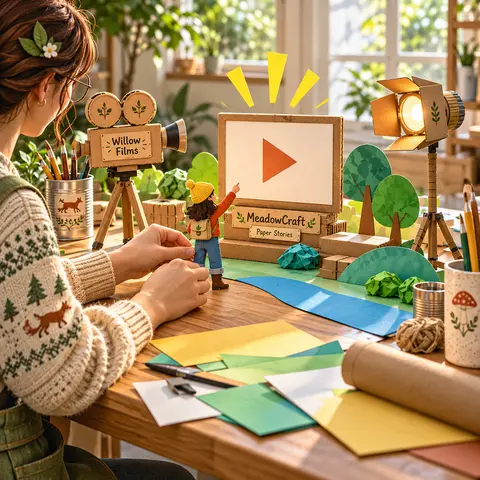 Explainer
 Trip recap
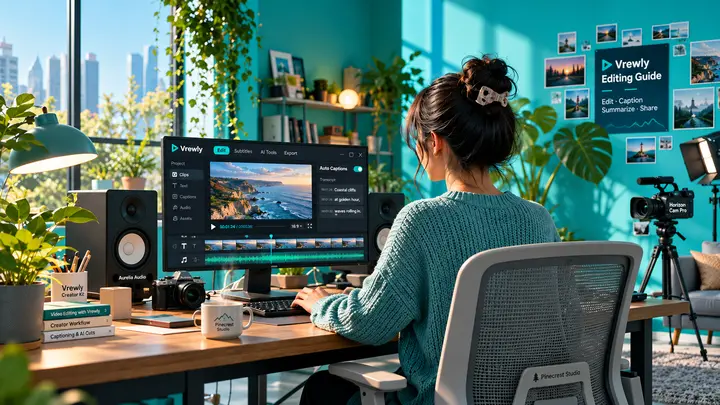
Be clear about which tool you open
The partner editor is not Vrew. Below are workflows that exist in that product — none of them claims to copy Vrew's transcript-based cutting.
Place clips, text and visual layers on the editor's canvas timeline. You can fix subtitle words, though editing them leaves the footage uncut.
Write and adjust caption text inside the editor. A local-only upload may display placeholder captions, so check every line against the audio.
Type a shot description in Studio and it generates a clip. Unlike Vrew, this does not remove silences or cut by transcript.
Render your edit, captions and overlays included, in a format your browser supports. MP4 can fall back to WebM, and it's unavailable while background removal is active.
These scenes show what creators often build. The partner editor sits apart from Vrew, so compare each tool's workflow before you commit.

Sketch quick clips and longer narratives for your viewers. Opens the separate browser editor.

Outline pitches, demos and quick walkthroughs. Opens the separate browser editor.
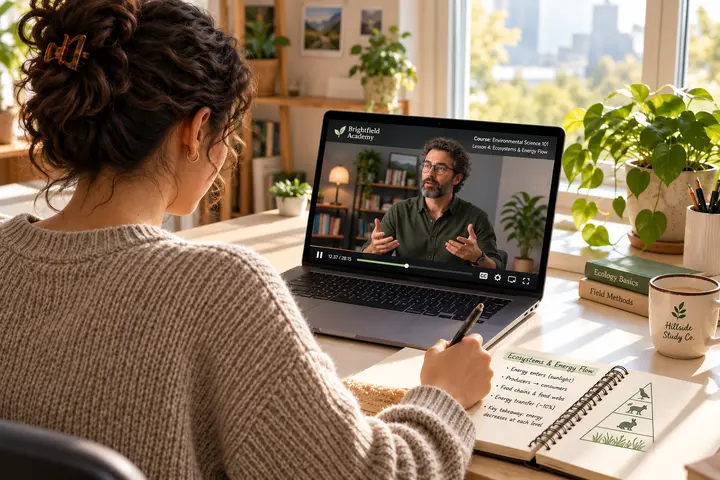
Prepare lessons and training clips with clear explanations. Opens the separate browser editor.
Every service handles security and privacy its own way. Read the provider's latest documentation before you send anything sensitive.
Find out where files live, who can open them, how long they're kept, and whether deleting removes both originals and generated copies.
Vrew Guide is independent and does not confirm certifications, encryption or privacy compliance for any tool mentioned here.
Upload only footage you're allowed to use, including every voice, face and music track in it.
Check the destination's up-to-date privacy policy and security pages instead of trusting a badge on some other site.
Play the final file through to catch accidental disclosures and caption mistakes before you share it.
Pick the starting point that matches the video you have in mind.
Set a clear course for a new project before any editing begins.
Set the direction
Hold your narration and captions up against the footage.
Review the narrative
Gather every core part of your video into one workflow.
Assemble the video
Turn helpful knowledge into something people want to watch.
Explain with clarity
Vrew is linked with transcript-driven video editing. This guide explains that approach and points to a separate browser editor through our partner link.
No. You can fix subtitle words and trim clips on its timeline, but changing a transcript word won't remove the matching footage.
Follow our partner link, open its editor, then import media or enter a Studio prompt. Text from this page does not carry over, and the home-page box there doesn't pass typed text into Studio either.
The partner editor blends timeline-based canvas work, captioning and AI clip generation, while Vrew centres on transcript-led editing. Match the tool to your real task.
Creators build personal stories, business updates, explainers, lessons and plenty more.
Start from your next video idea.
This link goes to the partner editor, not Vrew. Describe your concept or bring in clips once you arrive.
Create yours